
Chapter 4 - Hypoglycaemia
Hypoglycaemia
Low blood glucose levels
Hypoglycemic events occur when the glucose level is low enough to cause some signs and/or symptoms that require treatment. Some people refer to them as a “low or “hypo.” A hypo alert is when the level reaches 3.9mmol/L. Treatment for a hypo is recommended when the glucose level is less than 3.9 mmol/L. This is to prevent glucose levels from dropping below 3.0 mmol/L at which point it is more likely that brain function is affected.
4.1 Most common causes
- Too much insulin
- Not enough carbohydrates at meal or snacks
- Delayed or missed meals or snacks
- Increased activity
- Gastroenteritis
- Consumption of alcohol
4.2 Hypo Alert Scale
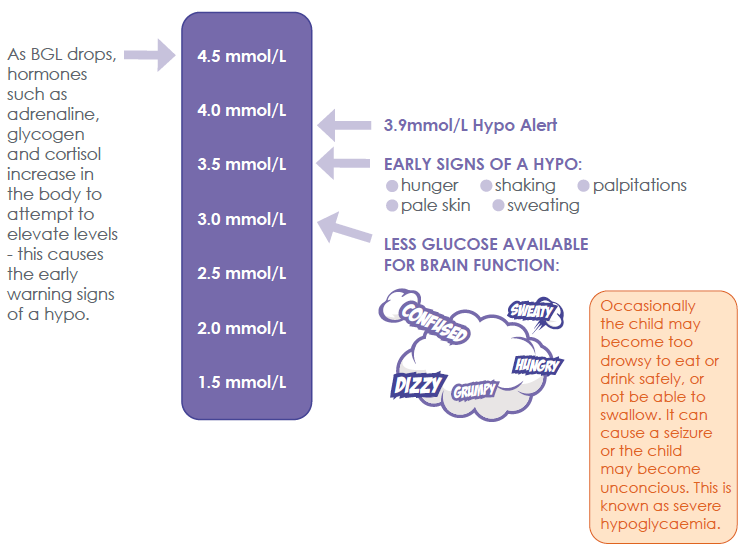
4.3 Signs and Symptoms
One or more of the following signs and symptoms may occur and are generally early signs of a hypo:
- Hunger
- Shaking
- Palpitations
- Pale skin
- Sweating
If the hypo is untreated, there is limited glucose available for brain functioning and the following symptoms may occur:
- Dizziness
- Feeling tired
- Headache
- Confusion
- Drowsiness
- Poor concentration
- Blurred or double vision, or disturbed colour vision
- Difficulty hearing
- Slurred speech
Behavioural symptoms may include:
- Irritability
- Erratic behaviour
- Agitation
- Nightmares
- Inconsolable crying
At this stage they may not be able to follow instructions and therefore will need close supervision and treatment.
Symptoms of hypoglycaemia can also occur when the BGL falls rapidly.

4.4 If GL <3.9 mmol/L
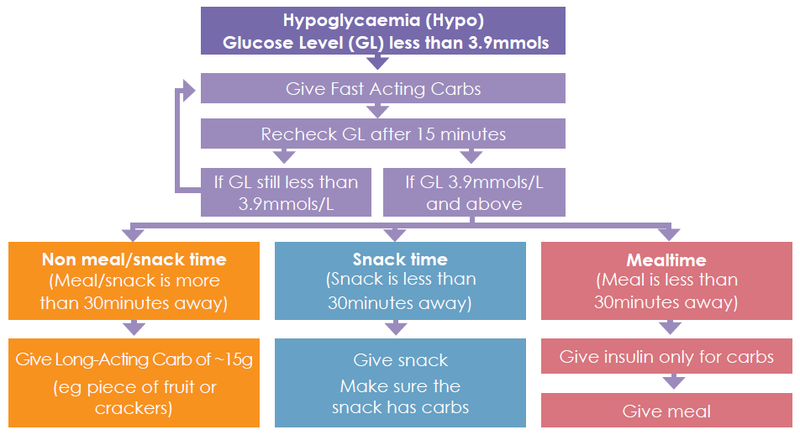
If your glucose level is less than 3.9mmol/L then follow these steps:
Step 1: Sit down and rest under supervision.
Step 2: Immediately give fast-acting glucose.
The amount of glucose will depend on your child's age.
For children 5 years or younger, give 5g
For children 6 to 12 years, give 10g
For children over 12 years give 15g
Choose one of these fast-acting glucose treatments
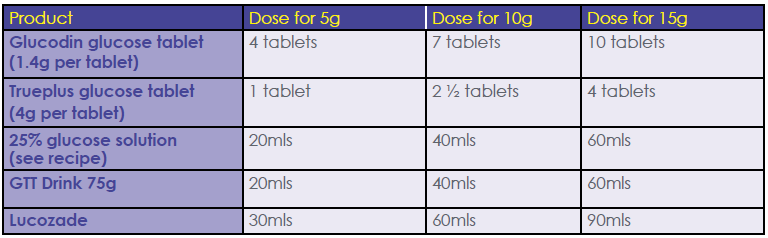
Glucose is the fastest and safest option. If you plan to treat hypos with other food, please check with your diabetes team to see if they are appropriate. Using glucose instead of lollies also helps to avoid confusion between 'treats' and 'treatment'.
Recipe for 25% glucose solution.
This recipe will make 10 x 5g doses or 5 x 10g doses.
- Weigh out 50g of Glucodin powder
- Measure 200mls of water
- Put the glucose powder and the water in a small container with a lid and shake to mix.
- Store in the fridge.
- Shake the bottle before use.
- Use a syringe or medicine cup to measure the dose.
Step 3: Re-check the glucose level with a finger prick in 15 minutes. Rest until all symptoms are gone. If the level is still below 3.9mmol/L, then repeat Step 2.
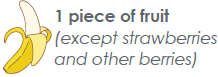
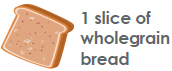
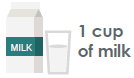
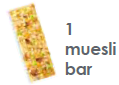
Step 4: Once your GL is 3.9mmol/L or above, follow up with approximately 15g of a slow acting carbohydrate-containing snack to prevent another hypo.
Some examples are: (choose one)
Slow-acting carbohydate snacks
If hypo occurs within 30 minutes before meals or snacks, treat as suggested below:
4.5 Management of severe hypoglycaemia
Occasionally the child may become too drowsy to eat or drink safely or will not be able to swallow. This is known as severe hypoglycaemia. A severe hypo can also cause a seizure (fit) or your child becoming unconscious. If this occurs, DO NOT put anything in their mouth as they are at risk of choking. Place the child in the recovery position and check DRSABC:
Danger
Response
Send for help
Airway
Breathing
Circulation (pulse)
Once your child is positioned safely, an injection of glucagon (GlucaGen HypoKit) can be given. They should respond in 10-15 minutes.
- Consider phoning an ambulance if you are not confident with this process. Check blood glucose level. If the GL is very low, the meter may read “LO”.
- As soon as they are able to swallow, give sweet fluids.
- Some people experience a headache, nausea and vomiting after a glucagon injection. Analgesia can be given for the headache. Continue with sips of sweet fluids until they are no longer vomiting.
- If vomiting persists, or if BGL is not maintained above 3.9 mmol/L, or your child does not respond to glucagon, call an ambulance - 000.
If your child has a severe hypo, call the diabetes team for assistance with insulin adjustment over the next few days. We suggest that you increase the frequency of GL testing during this period, including an overnight GL.
Please ensure that you obtain a script to replace your glucagon (either from your GP or diabetes clinic).
GlucaGen HypoKit - Consumer Medicine Information
If you are interested in attending a Basic First Aid course, please refer to the providers listed below. Please note that there are specific courses for Basic First Aid in children and infants.
4.6 Hypoglycaemia can be prevented
Preventing hypoglycaemia is possible by addressing the causes.
Too much insulin
Children sometimes do not eat all the carbohydrates in a meal. This can be substituted with an alternative carbohydrate option. It is recommended that a child who is old enough to do their own injections is supervised by an adult to double check the dose before injecting. This is to ensure too much insulin isn’t accidentally given. During the ‘honeymoon’ period insulin requirements may decrease. Frequent hypos may need adjustment of insulin doses.
Increased activity
Adjustment to insulin dose before and after exercise may be required to prevent hypoglycaemia. Extra carbohydrate should be given before exercise. Refer to Chapter 10 - Exercise of the Type 1 Folder.
GLs should be checked before and after sport, and during the activity if it takes more than 1 hour.
Hypoglycaemia can occur up to 24 hours after sport or activity. Talk with the diabetes team about how to prevent hypoglycaemia associated with increased activity.
Incorrect insulin
Occasionally the wrong dose or type of insulin is given. Do not panic, this can happen to anyone. Please call the diabetes team if you are unsure of what to do.
Frequent hypos indicate that insulin, food, and exercise are out of balance and some adjustments will be needed. If unsure, contact the diabetes clinic.
4.7 Glucagon
Glucagon is a hormone which stimulates the liver to quickly release stored glucose into the blood. It is produced by the pancreas. A Glucagon injection is a synthetic version to produce the same result. Glucagon will only work to increase blood glucose levels if there are stores of glycogen in the liver.
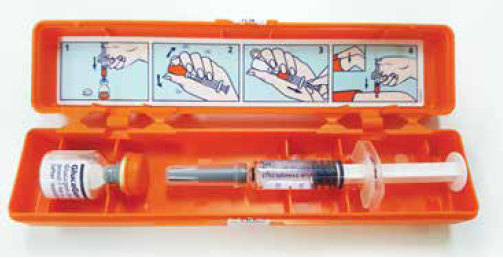
How to give glucagon:
- Remove the orange cap from the vial and the needle guard from the syringe.
- Inject the sterile water from the syringe into the vial of powder and mix gently.
- Draw up 0.5mg (0.5ml) if the child is less than 25kg and 1mg (1ml) if over 25kg. Marked lines on the syringe indicate the dose.
- Inject the glucagon into the upper outer aspect of buttock or the other middle of the thigh.
- It is normal to feel nauseous after getting a glucagon injection and it may cause vomiting.